20 Sided Dice Graphics for Crafts and Commercial Use
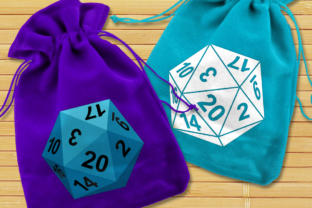
When I curate assets for my own digital product shop, I am always looking for designs that offer versatility. A graphic needs to work as a standalone item but also hold up when scaled down or combined with other elements. Recently, I evaluated a graphic design asset titled "20 Sided Dice." Inspired by role-playing and dice games, this set includes two versions of a 20 sided die, a shaded version, and an outlined version. For the shaded version, you use 5 different shades of the same color palette.
At first glance, this asset feels playful yet structured. It appeals directly to the gaming community, tabletop enthusiasts, and educators who use gamification in their teaching materials. However, its appeal extends far beyond just gamers. For Etsy sellers, print-on-demand creators, and small business owners, this is a prime example of how niche imagery can be repurposed for broader commercial applications. Below, I break down how this specific design fits into a real-world selling strategy, from testing on mockups to finalizing your commercial license.
Visual Personality and Niche Appeal
The mood of this asset is distinctly modern and clean. The inclusion of both a shaded version (using five distinct tones) and an outlined version allows for significant flexibility in visual hierarchy. The shaded version feels premium and tactile, suitable for high-quality prints or sublimation projects where color depth matters. The outlined version, conversely, is perfect for Cricut projects, vinyl decals, or minimalist branding where simplicity is key.
This duality is crucial for digital product creators. You are not limited to one aesthetic direction. If your brand identity leans toward bold, colorful graphics, the shaded die serves as a strong focal point. If your shop focuses on elegant stationery or corporate templates, the outlined version provides a subtle, professional accent. This makes the asset highly adaptable for various customer bases, from children’s educational materials to adult planner accessories.
Real-World Product Applications
In my experience, the most successful listings come from testing a single asset across multiple product types before committing to a full collection launch. Here is how I would approach using these dice in an online shop scenario:
- SVG and PNG Design Bundles: Create a "Gaming Night" bundle. Combine the dice with matching elements like character sheets, tokens, or card backs. Sell these as instant downloads for crafters who want to print their own game boards.
- Printable Wall Art and Nursery Prints: The outlined version works beautifully in black and white for coloring pages or minimalist nursery decor. Parents often look for themes that encourage play and learning, making this a viable printable design.
- Sticker Designs and Planner Accessories: Test the dice as part of a larger sticker sheet. Whether for bullet journaling or classroom organization, small, repetitive patterns of the dice can add a fun touch to daily planning tools.
- Mug Design and T-Shirt Design: For sublimation design work, the shaded version offers rich colors that translate well to ceramics and fabrics. Pair it with witty phrases about luck, probability, or gaming to create ready-to-sell merchandise.
- Canva Template Integration: Include the PNG version in social media template packs for gamers or streamers. Influencers often need consistent branding for their Twitch overlays or YouTube thumbnails, and this asset fits that social media graphics niche perfectly.
- Invitation Templates and Greeting Cards: Use the design for birthday invitations, especially for those celebrating milestones related to hobbies or achievements. The geometric shape adds a unique twist compared to standard balloon or confetti themes.
Testing Before Publishing: A Seller’s Checklist
Before hitting publish on any new listing, I run every asset through a rigorous testing phase. This ensures that the perceived value matches the customer's expectations and reduces the risk of returns or negative reviews. Here is my practical checklist for evaluating the 20 Sided Dice:
- Mockup Previews: Place the design on realistic product mockups. Does the shaded version look muddy when printed on a dark t-shirt? Does the outlined version remain legible on a tiny laptop decal? Previewing these scenarios helps you adjust contrast or scaling before the public sees them.
- Thumbnail Appeal: Your Etsy product thumbnail is the first thing customers see. Ensure the dice are recognizable even at a small size. If the details get lost, consider grouping the image with a solid background or adding a clear border.
- Background Versatility: Check how the asset performs on both white and dark backgrounds. The outlined version should pop against light backgrounds, while the shaded version might require a darker backdrop to maintain its depth. This test confirms the asset’s utility for diverse brand identity needs.
- File Resolution and Transparency: Verify that the PNG files have true transparency. Cloudy edges around the dice will ruin the professionalism of your design bundle. Also, confirm the resolution is high enough for large-format printing if you plan to sell it as wall art.
- SVG Cut Quality: For users of Cricut or Silhouette machines, inspect the SVG paths. Are the lines clean? Are there unnecessary anchor points that could cause cutting errors? A clean vector file is essential for maintaining trust in the crafts community.
- Font Pairing Tests: Experiment with pairing the dice with different typography styles. Try a bold display font for headlines, a clean sans serif font for body text, and a handwritten font for accents. This helps you demonstrate to buyers how they can customize the design themselves.
Where to Use and Where to Be Cautious
This asset shines in large product previews, themed bundles, and decorative layouts. It is particularly effective for digital download products where the buyer receives immediate access to high-quality files. It also supports visual storytelling in blog graphics or promotional visuals for creative marketplaces.
However, there are limitations. Use caution with tiny sticker details; if the outline is too thin, it may cut out incorrectly or become illegible. Avoid overly complex layouts where the dice compete with too many other elements. In crowded thumbnails, the design may lose its impact. Additionally, be mindful of weak contrast; if placed on a similarly colored background, the five-shade variation might blend in rather than stand out. Finally, ensure that any text-heavy templates do not obscure the primary geometry of the dice, as this can disrupt the visual hierarchy and confuse the viewer.
Final Thoughts for Digital Sellers
The "20 Sided Dice" asset is a robust addition to any creative marketplace inventory. Its dual-format nature (shaded and outlined) maximizes its utility across different product categories, from packaging design to educational resources. By testing it thoroughly on mockups, verifying file integrity, and understanding its strengths and limitations, you can position it as a valuable tool for your customers.
Remember to confirm your commercial license terms before selling finished products. Once cleared, integrate this asset into your existing collections to boost variety without starting from scratch. Whether you are targeting content creators, bloggers, or fellow designers, this versatile graphic offers a solid foundation for creating professional, appealing, and sellable digital products.