3D Pencil Graphics for Crafts and Content Publishing
In the fast-paced world of digital publishing, a single graphic can determine whether a reader clicks or scrolls past. As an experienced blog designer who has spent years refining editorial layouts and building brand identities for content creators, I recently evaluated a specific asset: 3D Pencil. This is not just a simple icon; it is a strategic design element that brings a distinct editorial mood to any website or newsletter. When evaluating a graphic design asset for real-world application, we must look beyond aesthetics and consider how it influences reader trust, visual hierarchy, and overall engagement.
First Impressions and Editorial Mood
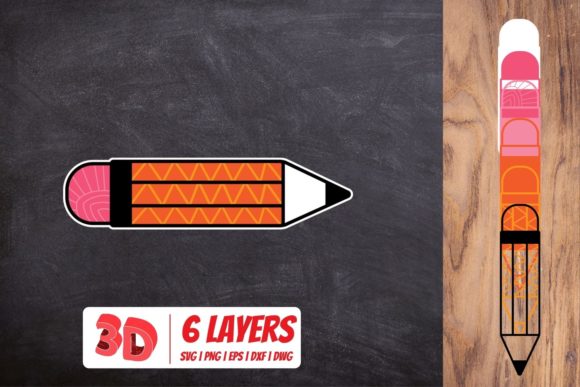
The moment I opened the folder containing the 3D Pencil, the first thing I noticed was its dimensional quality. Unlike flat vector icons that often feel sterile in modern web design, this 3D rendering adds depth and tactility to the screen. It creates a playful yet professional atmosphere that feels perfect for educational niches, creative writing blogs, or lifestyle publications focused on productivity. The design strikes a balance between being decorative and functional, avoiding the overly childish look that can sometimes undermine authority in serious content marketing.
This asset naturally supports content that values creativity and learning. Whether you are an online educator sharing worksheets or an affiliate marketer promoting stationery products, the 3D Pencil conveys a sense of hands-on activity. It suggests that your content is tangible and valuable. In a sea of generic stock photos, this unique creative design offers a fresh visual identity that helps your site stand out. It feels modern, clean, and inviting, making it an excellent choice for bloggers who want to project a polished, approachable image without sacrificing professionalism.
Real-World Applications in Publishing Workflows
Integrating this asset into a daily publishing workflow opens up a wide array of possibilities for enhancing your digital presence. Imagine preparing a featured image for a new article about "The Art of Journaling." Placing the 3D Pencil as a central focal point immediately draws the eye and sets the context before the user even reads the headline. It serves as a powerful anchor in your visual hierarchy, guiding the reader's attention exactly where you need it.
Beyond standard blog posts, this design asset is incredibly versatile for various formats:
- Pinterest Pins: A high-quality 3D graphic increases click-through rates on social platforms. The depth of the pencil makes the pin pop against the white background of Pinterest feeds.
- Newsletter Headers: Using the graphic in email banners adds a touch of personality to your monthly updates, reinforcing your brand identity with every send.
- Digital Guides and Lead Magnets: For downloadable resources like checklists or eBooks, the 3D Pencil works beautifully as a cover image, signaling that the content inside is practical and ready to use.
- Social Media Graphics: Create cohesive posts for Instagram or LinkedIn by using this graphic as a recurring motif in your carousel slides or story highlights.
- Category Thumbnails: Organize your blog archive visually by assigning this icon to categories related to writing, education, or DIY crafts.
The versatility extends to commercial projects as well. If you are selling printables or creating a media kit for sponsors, this commercial design element elevates the perceived value of your work. It transforms a simple text-based layout into a dynamic visual experience that resonates with audiences looking for inspiration.
Technical Flexibility and Format Options
One of the most critical factors for a digital publisher is file compatibility. The download package includes svg, dxf, png, and eps formats in a zipped folder, which provides immense flexibility for different workflows. The SVG format is particularly valuable for web designers, as it allows for infinite scaling without losing quality, ensuring crisp images on retina displays and large monitors alike.
For those who also engage in physical product creation or crafting, the inclusion of DXF and EPS files is a game-changer. These formats allow the 3D Pencil to be used with cutting machines such as Cricut Design Space, Silhouette Designer Edition, Make the Cut MTC, Sure Cuts A Lot SCAL, and Brother ScanNCut. This dual utility means you can create digital graphics for your website and then instantly adapt the same design for physical merchandise, stickers, or printed materials. It streamlines the production process, allowing small business owners to maintain a consistent brand identity across both digital and physical touchpoints.
Strategic Placement and Performance
To maximize the impact of the 3D Pencil, strategic placement is key. It excels in hero images and article thumbnails where space allows for detail. When used as an editorial accent next to headlines, it reinforces the topic and improves readability. For content upgrades, placing the graphic beside a call-to-action button can significantly boost conversion rates by adding a visual cue of value.
However, there are scenarios where caution is required. On small mobile thumbnails, the intricate details of a 3D object might become blurry or indistinguishable. In these cases, simplifying the usage or relying on the PNG version at a lower resolution may be necessary. Additionally, if your website operates in a highly corporate or strictly minimal niche, a playful 3D graphic might clash with a very serious tone. Similarly, avoid placing this asset on busy backgrounds or low-contrast areas where it could get lost, reducing its effectiveness as a content marketing tool.
Practical Publisher Notes for Implementation
Before integrating this digital download into your live site, rigorous testing is essential. Always preview the graphic on both desktop and mobile screens to ensure it renders correctly across devices. Check how it looks when scaled down to a thumbnail size; does it remain recognizable? Preview the image within your actual blog layout to see how it interacts with your existing typography and color scheme.
Contrast and readability should never be overlooked. Test the 3D Pencil in black and white to ensure it maintains its shape without relying solely on color. Experiment with pairing the graphic alongside different font styles—serif fonts for a classic editorial look, sans serif for a modern feel, or script fonts for a creative twist. Ensure the visual weight of the image complements the text rather than overpowering it.
Performance optimization is another crucial step. Review the file size of your images to prevent slowing down your website load times. Compress images properly before uploading them to your media library to maintain speed without sacrificing quality. Finally, always confirm your commercial licensing terms before using the asset on monetized websites, affiliate pages, or paid content products. Understanding the rights associated with the graphic design asset protects your business and ensures compliance with marketplace rules.
Ultimately, the 3D Pencil is more than just a craft supply; it is a versatile tool for enhancing your digital storytelling. By carefully selecting where and how to use it, you can improve your site's visual appeal, strengthen reader trust, and drive better engagement across all your content channels.