Brown Horizontal Background Embroidery Review
As a designer who spends half my day staring at screens and the other half troubleshooting thread jams, I have learned to be skeptical of digital assets that look promising in preview but fail on the hoop. Today, I am putting Brown Horizontal Background through its paces. This is not just another decorative file; it is a strategic design element intended for use as a backdrop or structural component in larger embroidery projects. My goal here is to determine if this abstract geometric template holds up under the tension of real-world stitching, particularly for those of us running small shops or creating high-end personalized gifts.
First Impressions: Mood and Visual Structure
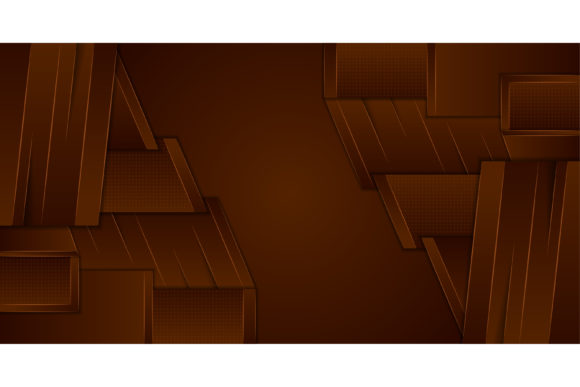
The moment you load this file into your digitizing software, the first thing that strikes you is the warmth. The brown gradient color palette immediately evokes a sense of groundedness, earthiness, and sophistication. Unlike stark black-and-white geometries which can feel cold or corporate, this background feels inviting. It suggests a "game style" aesthetic, which translates surprisingly well to modern streetwear and boutique apparel.
The layout is strictly horizontal, which dictates how we must approach the digitization process. Symmetry is key here. The design relies on a balanced composition where dot patterns and diagonal line elements work in tandem. From a visual personality standpoint, it is clean but not sterile. It has rhythm. For an Etsy seller looking to create a cohesive brand identity across tote bags, aprons, and sweatshirts, this kind of consistent visual language is invaluable. It doesn’t scream for attention; rather, it provides a sturdy stage for whatever focal point—be it a logo, name, or monogram—is placed upon it.
Real-World Application: Where Does It Shine?
I recently considered using Brown Horizontal Background for a custom order involving embroidered patches and large-format tote bag designs. Here is how I see it performing in those specific scenarios.
Tote Bag Designs and Canvas Projects
Canvas is a forgiving fabric, but it can be bulky. A dense geometric background can sometimes cause puckering if not stabilized correctly. However, the diagonal lines in this design offer a dynamic flow that guides the eye across the width of the bag. When stitched with appropriate fill stitch techniques, it adds texture without overwhelming the main subject. It works beautifully as a border or a full-back print for canvas totes, giving them a premium, designer feel that customers are willing to pay extra for.
Sweatshirt Embroidery and Apparel Decor
For hoodies and crewnecks, this background serves as an excellent chest graphic base. The horizontal nature of the design aligns perfectly with the natural drape of knit fabrics. Imagine a dark brown gradient background with subtle dot patterns serving as the canvas for a crisp white satin stitch logo. The contrast would be striking. The "game style" aspect mentioned in the description hints at a youthful, energetic vibe, making it suitable for youth apparel, sports team merchandise, or casual streetwear brands.
Baby Embroidery and Nursery Decor
It might seem counterintuitive to use a bold geometric background for baby items, but when executed with softer thread colors (think camel, taupe, or warm beige), it becomes incredibly chic. It fits the modern minimalist nursery trend perfectly. A pillow cover or a blanket edge featuring this design offers a sophisticated alternative to traditional floral or animal motifs. It is gender-neutral, timeless, and pairs well with personalized lettering for names.
Technical Considerations and Stitch Clarity
Not every digital asset translates seamlessly to thread. With Brown Horizontal Background, the primary concern is stitch density and detail resolution. The dot pattern and diagonal lines are distinct elements that require precise placement. If the stitch density is too high, the fabric will become stiff and uncomfortable, especially on garments like t-shirts or baby clothes that need to remain soft to the touch.
Conversely, if the density is too low, the underlying fabric may show through, ruining the integrity of the gradient effect. This is why testing on scrap fabric is non-negotiable. You need to verify that the transition between the darker and lighter shades of the brown gradient maintains visual separation. In embroidery, gradients are often achieved through varying stitch lengths or overlapping fills, so inspecting these areas closely ensures the design does not look muddy or undefined.
Furthermore, consider the fabric texture. On smooth cotton or polyester blends, the geometric precision will pop. On highly textured fabrics like heavy denim or fleece, the fine details of the dot pattern might get lost. In such cases, this design might serve better as a simplified outline or applique design rather than a full fill stitch area.
Where to Exercise Caution
While versatile, there are specific contexts where Brown Horizontal Background requires careful handling:
- Small Hoop Sizes: If you are working on tiny accessories like hair bows or small keychains, the horizontal layout might force you to crop essential elements. Ensure the design scales down cleanly without losing the symmetry.
- Stretchy Fabrics: Knits stretch. A rigid geometric background can distort if the stabilizer support is insufficient. Always use a cut-away stabilizer for stretchy materials to maintain the shape of the diagonal lines over time.
- Dense Stitch Areas: Avoid placing this design directly adjacent to other dense fills unless you account for the added thickness. Layered garments or thick seams can become uncomfortable if multiple dense embroidery files overlap.
- Curved Surfaces: While caps and hats are popular canvases, the horizontal flatness of this design may not follow the curvature of a cap front panel naturally. It is better suited for flat panels or straight-edged products like aprons and kitchen towels.
Impact on Brand Consistency and Customer Trust
In the world of handmade products and craft business, presentation is everything. A well-executed background elevates the perceived value of the finished product. When a customer receives a personalized gift or a boutique item, they are buying into the quality of the craftsmanship. A clean, symmetrical background like Brown Horizontal Background signals professionalism. It shows that the creator paid attention to detail, balance, and aesthetics.
For digital product sellers offering printable mockups or design assets, this background provides a neutral yet stylish foundation. It allows buyers to visualize their own logos or text clearly against a textured, warm backdrop. It enhances recognition by providing a consistent visual anchor across different product types, from tea towels to commercial embroidery projects.
Final Designer Notes
Before integrating Brown Horizontal Background into your next project, keep these practical tips in mind:
- Test Thread Colors: The brown gradient relies on subtle shifts in tone. Choose threads that accurately represent these shifts. Low-quality thread can make the gradient look flat or blotchy.
- Check Licensing: Since this is a graphics asset, ensure you have the right to use it in commercial embroidery projects. Verify whether you can sell finished items incorporating this design.
- Review in Black and White: Convert the design to grayscale to check contrast levels. If the dots and lines disappear in monochrome, they may struggle in embroidery depending on your thread choices.
- Confirm Hoop Size: Ensure your machine’s hoop accommodates the full width of the horizontal layout without requiring unnecessary trimming or re-hooping.
Ultimately, Brown Horizontal Background is a strong candidate for designers seeking to add depth and structure to their embroidery files. It bridges the gap between abstract art and functional design, offering a versatile tool for everything from holiday embroidery to everyday custom apparel. By respecting its technical requirements and applying it thoughtfully, you can create finished products that are both visually appealing and durable.