Happy Gardening in 3D: A Designer's Real-World Review
I have spent years evaluating machine embroidery designs for my own boutique and client projects. There is a distinct difference between a design that looks good on a screen and one that actually holds up under the needle, thread tension, and daily wear. Today, I am putting the Happy Gardening in 3D design through its paces to see if it belongs in your next custom apparel project or small business inventory.
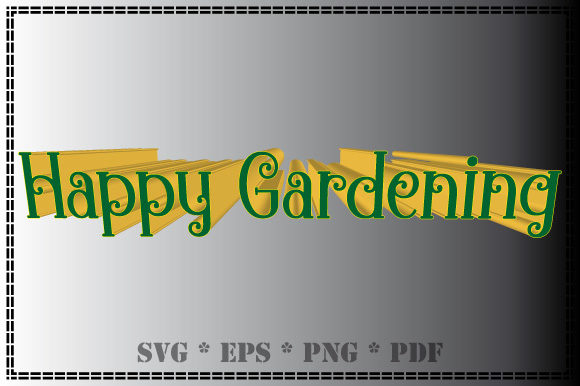
When I first opened the file package, which includes SVG 1.1 Vector, EPS Vector, AI10, PNG 300 dpi, and PDF formats, the immediate impression was one of whimsy. The "3D" aspect suggests depth, which is always a tricky element to pull off in stitching without making the piece look cluttered or heavy. As an embroidery designer, my first question is always about visual balance. Does this design feel like a cohesive illustration, or does it just look like a collection of shapes? In this case, the layout feels organic. It screams outdoor activity and relaxation, making it a natural fit for garden-themed merchandise.
From Digital File to Finished Product
The transition from a digital graphic to a tactile handmade product is where most projects succeed or fail. For Happy Gardening in 3D, the vector files (SVG and EPS) are crucial here. They allow me to scale the design down for a baby onesie or up for a large sweatshirt without losing the integrity of the lines. This versatility is exactly what an Etsy seller or small shop owner needs when creating personalized gifts.
Imagine you are preparing a batch of tote bags for a local craft fair. You want something that says "summer vibes" but isn't too loud. When I simulated how Happy Gardening in 3D would stitch onto a canvas tote, the design held its shape well. The potential for using satin stitches for outlines and fill stitches for the main elements creates a nice texture contrast. However, the "3D" effect relies heavily on proper layering of thread colors. If you choose threads with low contrast, the depth will disappear, and the design will look flat. On a light-colored fabric, the shadows and highlights within the graphics will pop, adding value to the final item.
Where This Design Shines
This embroidery file is particularly strong for specific use cases where personality matters more than intricate detail. It excels on sturdy fabrics like denim, canvas, and cotton twill. Here are the scenarios where I believe this design will generate the most customer trust and engagement:
- Custom Apparel: It works beautifully on sweatshirts and hoodies. The relaxed theme fits perfectly with casual wear, and the size allows for a statement piece on the chest or back.
- Kitchen and Home Decor: An apron or tea towel featuring this motif adds a charming touch to a kitchen. The gardening theme resonates with home cooks who love plants.
- Baby Items: For a nursery wall hanging or a soft blanket, the gentle mood of the design is soothing. Just ensure the stitch density isn't too rough against delicate skin.
- Commercial Embroidery: If you run a print shop, this is a great asset for holiday gifts. It captures the spirit of spring and summer events without being tied to a specific holiday.
The inclusion of a high-resolution PNG at 300 dpi is also a smart move for creators. It allows you to create printable mockups quickly for your online listings. Customers can see exactly how the design assets might look before they commit to buying a finished embroidered patch or garment.
Practical Challenges and Where to Be Careful
Not every design is a universal fit, and as a professional reviewer, I need to be honest about the limitations. While Happy Gardening in 3D is versatile, there are specific situations where you should proceed with caution.
First, consider the hoop size. If you attempt to stitch this on a very small hoop, such as one designed for a hat or a tiny cap, the details might get lost. Small lettering or fine lines in the illustration could merge together during the stitching process, resulting in a muddy appearance. Always test the design in your machine's software to ensure the spacing remains clear at your intended size.
Fabric choice is another critical factor. This design requires a stable base. Stretchy fabrics like jersey knit can distort the image unless you use a heavy-duty stabilizer correctly. Similarly, textured fabrics like bouclé or thick fleece might hide the finer details of the illustration. If you are working with dark fabric, the "3D" shading might not read clearly unless you use a contrasting background color or a specific underlay technique.
There is also the issue of durability. If you plan to sell these items as commercial products that will undergo frequent washing, check the stitch density. Dense areas can sometimes cause puckering over time if the stabilizer isn't removed properly or if the design is too heavy for the fabric weight. For items like kitchen towels that get washed often, a slightly lower density might offer better longevity than a dense, heavy fill.
Designer Notes for Success
If you decide to incorporate Happy Gardening in 3D into your workflow, whether for a personal gift or a craft business line, follow these practical steps to ensure a professional result.
- Test on Scrap Fabric: Never cut into your final material immediately. Run a test on scrap fabric of the same type to check thread tension and registration.
- Review Thread Colors: Look at the design in black and white mockups first. This helps you visualize the contrast. Ensure your chosen thread palette provides enough separation between the foreground and background elements.
- Check Stitch Types: Identify where the design uses satin stitch versus fill stitch. Satin stitch is best for outlines and text, while fill stitch works for larger colored areas. Mixing them incorrectly can lead to uneven coverage.
- Confirm Licensing: Before selling finished items made with this design, double-check the license terms provided with the download. Some digital embroidery files are for personal use only, while others allow commercial production of physical goods.
- Inspect Small Details: Zoom in on the AI10 or SVG files to inspect corners and tiny curves. Sometimes, vectors need slight adjustment before digitizing to ensure the needle doesn't skip stitches.
The visual appeal of a finished product often comes down to these small details. A clean edge, consistent thread tension, and appropriate fabric choice elevate a simple design into a premium item. Happy Gardening in 3D has the potential to be a standout piece in your portfolio, especially for those looking to add a touch of nature-inspired charm to their offerings.
Ultimately, this design feels right for the maker who wants to create something meaningful. Whether it ends up on a tote bag for a friend, a custom sweatshirt for a local team, or a display item in your boutique, the mood it conveys is warm and inviting. By taking the time to understand its strengths and limitations, you can turn this digital illustration into a tangible success story for your brand.